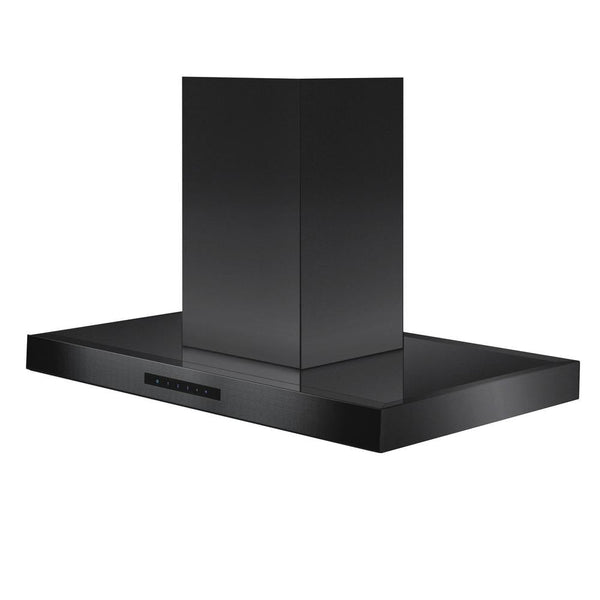
There is a level of precision that comes from understanding how air moves through space rather than how heat moves through food. In the modern kitchen, ventilation is no longer an afterthought; it is an engineered system of airflow, pressure, and placement where the position of a hood defines how effectively smoke, grease, and heat are captured before they ever escape into the room.
Choosing a range hood is rarely the most exciting part of a kitchen remodel, yet it plays a major role in long-term comfort, cleanliness, and indoor air quality. A well-built hood works quietly in the background, removing smoke, grease, steam, and odors before they spread through cabinets, ceilings, walls, and fabrics. Without proper ventilation, even a well-designed kitchen can gradually feel heavier, less clean, and harder to maintain over time.
Researching ZLINE range hoods usually comes down to three main factors: kitchen layout, ventilation power, and overall budget. ZLINE is known for combining stainless steel construction with strong, dependable performance and a design style that fits both modern and transitional kitchens, all at a more accessible price point than many luxury brands.
The key decision is mounting style wall mount, island mount, or under-cabinet each designed for specific layouts and visual goals. The right choice ensures effective ventilation while fitting naturally into the kitchen without unnecessary cost or performance compromises.
Why So Many Homeowners Choose ZLINE
A big reason ZLINE has become so popular in kitchen renovations is its ability to balance style with real functionality, without forcing buyers to compromise on either. Most ZLINE range hoods are made from stainless steel, giving them a clean, modern look while also ensuring durability, stain resistance, and easy day-to-day cleaning after cooking.
Performance is another key focus, with multiple airflow options that allow homeowners to choose a hood suited to their cooking style instead of a one-size-fits-all setup. This flexibility makes it easier to handle everything from light simmering to high-heat searing and heavier smoke production when needed.
-
Multiple airflow (CFM) options for different cooking styles
-
Suitable for both light everyday cooking and heavy-duty use
-
Designed to handle steam, smoke, and grease efficiently
-
Balanced performance across different kitchen layouts
Lighting is also thoughtfully designed, with many models featuring built-in LED lights that clearly illuminate the cooktop, which is especially helpful for evening cooking or low-light kitchens. Maintenance is simplified through dishwasher-safe baffle filters, while multiple fan speeds allow for quieter operation during light use and stronger ventilation when needed.
ZLINE also offers a wide size range, typically from 30 to 48 inches, making it easier to match different kitchen layouts, from compact spaces to larger island configurations. Overall, the brand’s design approach works well in both modern and transitional kitchens, making it a strong choice for homeowners who want a high-end look without the premium price tag.
Understanding the Three Main Types of Range Hoods
Before you can pick a specific ZLINE model, it helps to step back and think about your kitchen layout as a whole. The shape of your kitchen, the location of your cooktop, and the style of cabinetry you have, or plan to have, will largely determine which mounting style makes the most sense. The sections that follow walk through each of the three major categories in more depth, along with the kinds of kitchens and cooks they tend to suit best.
Wall Mount Range Hoods
Wall mount range hoods are designed to install directly onto the wall above a stove or cooktop that is positioned against it. This is the most traditional and widely used placement style, and it continues to be popular because it aligns with the most common kitchen layout found in homes today. These hoods are best suited for kitchens where the cooking surface sits along a wall rather than in a central island, making them a practical and natural fit for a large number of remodels and new builds.
-
Installed directly on the wall above the cooktop
-
Best suited for stoves positioned against an interior or exterior wall
-
Most common and traditional range hood configuration
-
Strong fit for standard kitchen layouts in most homes
-
Often chosen for both performance and design statement purposes
Wall mount hoods are also a popular choice for homeowners who want their ventilation system to double as a design feature. Many models have a bold, architectural presence that can serve as a focal point in the kitchen, similar to a statement backsplash or lighting fixture. Beyond aesthetics, they are known for delivering strong, consistent airflow, making them a reliable option for frequent cooking.
From a product perspective, ZLINE’s 8654STZ-48 is a well-known example in this category. This 48-inch wall mount model is designed for larger cooking setups, offering wide coverage that helps capture smoke and steam evenly across the entire cooking surface rather than concentrating only on the center area.
Island Mount Range Hoods
Island Mount Range Hoods take a very different approach, since they are designed to hang from the ceiling directly above a cooktop installed in a kitchen island. Rather than attaching to a wall, these hoods are suspended in open space, which immediately changes both their visual impact and their installation requirements. This style is especially well suited for open-concept kitchens, where the cooking area flows into the dining or living space without walls dividing the rooms, and it is often the only practical choice when the cooktop is positioned in an island layout.
-
Designed specifically for cooktops installed in kitchen islands
-
Suspended from the ceiling rather than mounted to a wall
-
Ideal for open-concept layouts with connected living, dining, and cooking areas
-
Commonly chosen in modern remodels focused on open, social kitchen designs
-
Requires stronger ventilation performance due to lack of surrounding walls or cabinets
From a buyer’s perspective, island hoods serve a dual purpose. They act as a striking visual centerpiece visible from multiple areas of the home, often becoming one of the most noticeable design features in the kitchen, while also delivering the ventilation needed to manage smoke, steam, and cooking odors in an open environment. A good example from ZLINE’s island mount lineup is the KECOMi-30, which combines a sleek, modern design with the performance required for center-island cooking setups, reflecting both style and functionality in one unit.
Under-Cabinet Range Hoods
Under-cabinet Range Hoods take a more discreet approach compared to wall mount and island styles. Instead of hanging as a visual centerpiece, they are installed beneath existing cabinetry, fitting directly above the stove in a way that blends into the kitchen layout rather than drawing attention to itself. This makes them especially well suited for smaller kitchens, where preserving both visual openness and physical space is important. They are also a common choice for budget-conscious remodels, as they typically cost less than wall mount or island models, and are often used to replace basic builder-grade units with a more efficient and modern upgrade.
The main appeal of under-cabinet hoods comes from their practicality. They save space by integrating into existing cabinetry, maintain a clean and cohesive kitchen look, and are often simpler to install, particularly when replacing an older unit in the same position. Instead of requiring new wall or ceiling structure, they typically work within what is already in place, which helps reduce installation complexity. Within ZLINE’s lineup, the 623-30 is a popular under-cabinet option, offering stainless steel construction, dependable everyday performance, and a compact design that fits comfortably into a wide range of kitchen layouts.
Comparing Wall Mount, Island, and Under-Cabinet Hoods
When you place these three styles side by side, clear patterns emerge across layout fit, design impact, ventilation, installation, space use, and budget. Each type is designed for a specific kitchen setup, which makes the differences more about application than preference.
-
Wall mount hoods are designed for cooktops placed against a wall
-
Island hoods are built specifically for cooktops positioned in a kitchen island
-
Under-cabinet hoods are intended for installation beneath existing upper cabinets
In terms of design impact, wall mount hoods create a strong visual presence and often act as a focal point, while island hoods go further and serve as a dramatic centerpiece in open-concept kitchens. Under-cabinet hoods, on the other hand, are designed to stay subtle and blend into cabinetry rather than stand out.
Ventilation performance follows a similar pattern. Wall mount hoods typically deliver strong everyday airflow, island hoods range from strong to very strong due to open-air cooking environments, and under-cabinet hoods generally provide moderate to strong performance suitable for most daily cooking needs. Installation difficulty also varies: wall mount hoods are moderately complex, island hoods are the most involved due to ceiling mounting and extended ductwork, and under-cabinet hoods are usually the easiest, especially when replacing an existing unit.
Space and budget considerations further distinguish the three. Wall mount models use wall space efficiently without overwhelming the kitchen, island hoods occupy open ceiling space while visually dominating the room, and under-cabinet hoods are the most space-saving since they integrate directly into existing cabinetry. From a cost perspective, wall mount hoods typically fall in the mid-range, island hoods are generally the most expensive due to installation and design complexity, and under-cabinet hoods are the most budget-friendly option overall.
Which Range Hood Is Best for You?
-
When strong everyday ventilation, a premium focal point for the kitchen, and overall value are the main goals, a wall mount hood is often the best starting point. For most standard kitchen layouts where the cooktop sits against a wall, wall mount models provide an excellent balance of performance, design, and price, which is why they remain one of the most widely chosen options in residential kitchens.
-
For kitchens with an island cooktop, where ventilation needs to be combined with a luxury design statement, an island hood becomes the natural choice. These models are specifically designed for open-concept layouts where the cooking surface is not against a wall, offering both effective airflow capture and a strong visual centerpiece that anchors the space.
-
For homeowners focused on keeping installation costs lower, maximizing cabinet space, and achieving a clean, functional upgrade, an under-cabinet hood is often the most practical solution. These models are especially suitable for smaller kitchens or remodels where efficiency, space-saving design, and budget considerations are the top priorities.
How Much CFM Do You Need?
CFM, which stands for cubic feet per minute, is the measurement used to describe how much air a range hood can move, and it is one of the most important specifications to understand when comparing models. In general terms, a CFM rating in the range of roughly 400 to 600 is considered suitable for light to moderate cooking, the kind of everyday meal preparation that does not generate a huge amount of smoke, steam, or grease in the air.
For households that cook more frequently, or that rely on gas ranges which tend to produce more heat and combustion byproducts than electric cooktops, a CFM rating somewhere in the 600 to 900 range is generally more appropriate. This higher airflow capacity helps ensure that the hood can keep pace with the additional smoke and odors that come from more frequent or more intense cooking sessions. For cooks who regularly engage in heavy frying, high-heat searing, or other cooking methods that produce significant amounts of smoke and airborne grease, a CFM rating of 900 or higher is often the better choice. The general rule of thumb is straightforward: the more often you cook with oil, the more smoke your cooking tends to produce, and the stronger the odors that linger afterward, the more airflow you are likely to benefit from in your range hood.
What Size Range Hood Should You Buy?
As a basic starting point, your range hood should be at least as wide as your cooktop, since a narrower hood will struggle to capture smoke and steam rising from the outer edges of your pots and pans. In many cases, choosing a slightly wider hood is even better, as it improves overall coverage, airflow efficiency, and long-term ventilation performance in everyday cooking.
-
30-inch cooktop: A 30–36 inch range hood is recommended, with the extra width helping capture steam and smoke that escape the sides of cookware.
-
36-inch cooktop: A 36–42 inch range hood provides a wider capture zone and more consistent ventilation across the entire cooking surface.
-
48-inch cooktop: A 48 inch hood is the standard choice, though going wider can further improve performance in larger or high-heat cooking setups if space allows.
For kitchen island cooktops in particular, choosing a hood that is slightly wider than the cooktop can make a noticeable difference in performance. Since island installations lack surrounding walls or upper cabinets to guide airflow upward, smoke and steam can spread more easily in all directions. The added width helps create a stronger capture area, reducing the chance of fumes escaping into the open kitchen and improving overall ventilation efficiency.
Are ZLINE Range Hoods Worth It?
For many homeowners, the question of whether ZLINE Range Hoods are worth it has a fairly confident answer: yes. ZLINE has built its reputation around offering a strong balance between price, appearance, and performance, and that balance is exactly what makes the brand appealing to such a wide range of buyers, from those doing a full kitchen renovation to those simply replacing an outdated hood with something more modern.
ZLINE tends to be especially attractive for homeowners who want the look of stainless steel styling without the premium price tag that often comes attached to that aesthetic when shopping from luxury-focused brands. The value proposition becomes even clearer when you consider that ZLINE often delivers better value than many premium luxury brands, while still offering multiple sizing choices to fit different kitchen layouts and strong ventilation performance across its lineup. For anyone looking to give their kitchen a modern upgrade without compromising on either function or appearance, ZLINE checks a lot of boxes at once. That said, it is worth keeping in mind that professional installation can be especially helpful when it comes to ZLINE range hoods, particularly for island-mounted units. Because island hoods involve ceiling mounting, structural considerations, and ductwork that often needs to travel through the ceiling rather than along a wall, having an experienced installer handle the job can help ensure everything is set up safely, securely, and in a way that performs as intended for years to come.
Final Verdict
When you look at all three ZLINE range hood styles together, the decision becomes much easier to narrow down. For most kitchens where the cooktop is placed against a wall, a ZLINE wall mount range hood is typically the best all-around choice, offering strong ventilation performance, reliable daily use, and a clean, upscale look that fits a wide range of kitchen designs. If your cooktop is positioned in a kitchen island, an island mount hood is the more suitable option, built specifically to handle open-concept spaces while also acting as a bold design feature that draws attention. For smaller kitchens or spaces where keeping upper cabinets is important, an under-cabinet hood provides a more compact and budget-friendly solution, delivering solid airflow without taking up additional wall or ceiling space.
Ultimately, the right ZLINE range hood isn’t about choosing the most expensive or most visually striking model it’s about matching the hood to your kitchen layout and cooking habits. A properly chosen style improves ventilation efficiency, keeps your kitchen cleaner and more comfortable, and ensures the design feels naturally integrated into the space rather than forced.
FAQs
Are ZLINE range hoods good quality?
Generally speaking, ZLINE range hoods are considered a solid mid-to-premium option, built with stainless steel construction and offering strong airflow performance that holds up well to regular use.
Which range hood is best for a small kitchen?
For smaller kitchens, an under-cabinet model is usually the best fit, since this style saves space by tucking beneath existing cabinetry while still offering practical, dependable ventilation for everyday cooking.
Do ZLINE range hoods vent outside?
Many ZLINE models are designed primarily for ducted venting that sends air outside the home, which tends to be the most effective approach for removing smoke, grease, and odors. That said, depending on the specific model, some hoods may also support recirculating kits as an alternative for kitchens where exterior venting is not practical.
How loud are ZLINE range hoods?
Noise levels can vary depending on both the fan speed selected and the specific model and size of the hood. As a general pattern, lower fan speeds tend to be noticeably quieter, while maximum settings, which are designed for heavy-duty ventilation, will naturally produce more noise.
What size Range hood do I need for a 30-inch stove?
A 30-inch hood represents the minimum width you would want to pair with a 30-inch stove, but many buyers find that stepping up to a 36-inch hood provides noticeably better coverage and smoke capture, making it a popular upgrade even for 30-inch cooktops.