The best ZLINE Autograph Edition Refrigerator is one that combines premium design with thoughtful features, delivering lasting style and performance that can justify the investment.
A refrigerator is one of the most frequently used appliances in a kitchen, so choosing one involves more than comparing storage capacity and exterior finishes. The layout, cooling system, organization, installation requirements, maintenance, and long-term usability all influence whether a particular refrigerator is worth its price.
The ZLINE Autograph Edition refrigerator range sits toward the higher end of the refrigerator market, with models that combine built-in and counter-depth designs, French door configurations, specialized storage, different interior finishes, and distinctive hardware. But does the premium make sense from an appliance perspective?
The answer depends on what you expect from a refrigerator. If your priority is simply keeping food cold at the lowest possible purchase price, a premium refrigerator may not be necessary. If you are looking for a particular combination of built-in installation, storage flexibility, cooling features, interior design, and kitchen integration, the additional cost may be easier to justify.
What Is the ZLINE Autograph Edition Refrigerator?
ZLINE's Autograph Edition is a refrigerator series rather than one single model. The collection includes different configurations, sizes, finishes, and handle designs.
For example, the 36-inch counter-depth models include French door configurations with around 21.6 cubic feet of total storage, while some built-in models provide different capacities and installation requirements. There are also 30-inch built-in options and column refrigerators within the broader Autograph Edition range.
This distinction matters because the phrase "Autograph Edition refrigerator" does not describe one fixed specification. A buyer needs to compare the exact model rather than assuming that every refrigerator in the collection has the same features.
The premium can come from several areas, including the appliance's design, built-in construction, cooling system, storage configuration, interior materials, handles, and specialized temperature zones.
The Design Is One of the Main Differences
One of the clearest reasons someone might consider an Autograph Edition refrigerator is its appearance.
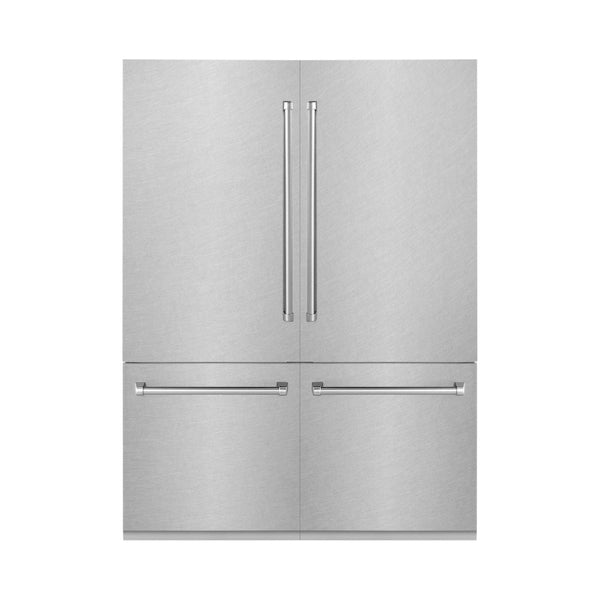
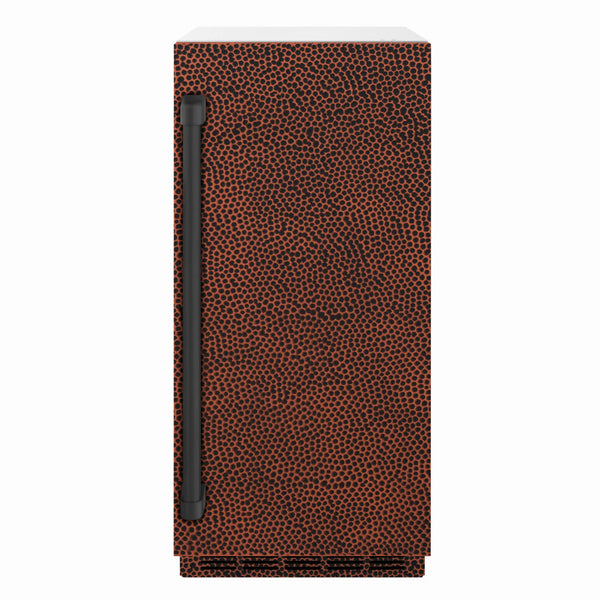
The range includes finishes such as stainless steel and black stainless steel, along with hardware options including polished gold and polished nickel. These details give the refrigerator a more customized appearance than a basic stainless-steel appliance.
However, appearance alone should not determine whether the refrigerator is worth the premium.
A distinctive finish can be valuable if you are designing an entire kitchen around a specific aesthetic. It can also matter when appliances need to coordinate with other fixtures, cabinet hardware, faucets, lighting, or cooking appliances.
But if appearance is not particularly important to you, paying extra for decorative handles or a specialized finish may provide little practical benefit.
In other words, the design premium is subjective. It becomes more meaningful when the refrigerator is part of a carefully coordinated kitchen rather than simply another appliance.
Built-In vs. Counter-Depth: Why the Difference Matters
One of the more important distinctions within the Autograph Edition range is the difference between built-in and counter-depth refrigerators.
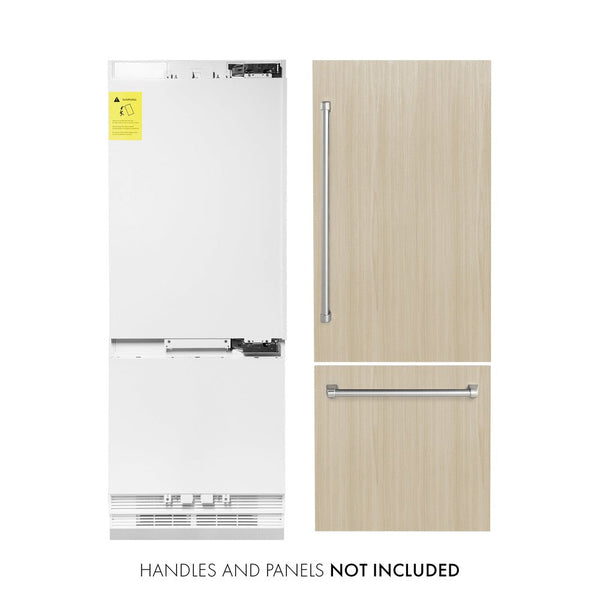
A built-in refrigerator is designed to integrate more closely with cabinetry. ZLINE's built-in models are designed for a flush installation, which can create a more integrated appearance in the kitchen.
Counter-depth refrigerators, on the other hand, are designed to sit more closely with surrounding countertops than many standard-depth refrigerators. This can reduce how far the appliance projects into the kitchen.
The choice between the two should be based on the kitchen itself.
If you are remodeling and have cabinetry designed around a built-in refrigerator, the integrated installation may be a significant advantage. If you are replacing an existing freestanding refrigerator without changing the surrounding cabinetry, a counter-depth model may be more straightforward.
This is an important part of the premium because built-in appliances can involve more planning than simply sliding a standard refrigerator into an existing opening.
Storage Capacity Depends on the Model
Capacity is another area where you should avoid judging the entire Autograph Edition range as one product.
For example, one 36-inch counter-depth model offers 21.6 cubic feet of total storage, divided between a 15.0-cubic-foot refrigerator compartment, a 4.0-cubic-foot freezer compartment, and a 2.6-cubic-foot flex drawer.
A 36-inch built-in model, meanwhile, has a different configuration. ZLINE lists one version at 19.6 cubic feet, including a 14-cubic-foot refrigerator compartment, a 5.6-cubic-foot freezer compartment, and a 1.1-cubic-foot flex drawer.
That difference demonstrates why advertised width alone isn't enough.
A larger refrigerator isn't automatically better if its interior doesn't suit the way you store food. Consider the balance between refrigerator, freezer, and flex-drawer space rather than looking only at the total cubic-foot number.
Dual Cooling Is a Practical Feature
One of the more relevant features in the Autograph Edition range is dual cooling.
Rather than treating the refrigerator and freezer as one cooling environment, separate cooling systems are used for the two compartments. ZLINE describes this design as helping prevent air and odors from mixing between the refrigerator and freezer while supporting cooling performance.
From an appliance perspective, this is more meaningful than a decorative finish.
Separating cooling environments can be useful because the refrigerator and freezer have different temperature requirements. It can also help reduce the transfer of food odors between compartments.
Whether this feature alone justifies a premium price is another question. Many refrigerator brands offer comparable approaches to cooling, so it should be evaluated as one part of the overall package rather than treated as a unique reason to buy the appliance.
The Flex Drawer Adds Storage Flexibility
Some Autograph Edition models include a flex drawer designed for items that don't necessarily belong in a standard refrigerator or freezer compartment.
For example, ZLINE lists flex drawers with adjustable temperature settings between 30°F and 41°F on certain models. These settings can be useful for items such as beverages, specialty meats, and other foods that benefit from a temperature separate from the main refrigerator compartment.
This is one of the more practical premium features because it changes how the refrigerator can be organized.
Instead of trying to fit every type of food into the main refrigerator section, a flex drawer can provide another temperature-controlled storage zone.
However, not every Autograph Edition refrigerator has the same flex-drawer configuration. Buyers should check the specifications for the exact model they are considering.
Interior Lighting Is More Important Than It Sounds
Interior lighting is easy to overlook when comparing refrigerators.
ZLINE's built-in Autograph Edition models use LED lighting, and some models feature full-ceiling interior lighting designed to illuminate the refrigerator compartment.
Good lighting can make a refrigerator easier to use, particularly when shelves are fully stocked.
This isn't necessarily a reason to pay a premium on its own, but it contributes to everyday usability. A refrigerator with well-positioned lighting can make it easier to see ingredients, identify items toward the back, and organize food efficiently.
Water and Ice Features Vary
Water and ice functionality also varies between Autograph Edition models.
Some models feature internal water dispensers and automatic ice makers, while other versions provide external water and ice dispensing. ZLINE's 36-inch counter-depth water-and-ice models, for example, are available with an external dispenser.
An internal dispenser provides a cleaner exterior appearance, while an external dispenser can make filling a glass more convenient.
Neither approach is automatically better. It depends on how you use the refrigerator and whether you prefer convenience on the outside or a more uninterrupted exterior design.
What About Energy Efficiency?
Energy consumption should be considered when evaluating a premium refrigerator because the purchase price is only one part of ownership.
Some Autograph Edition models are ENERGY STAR rated. ZLINE lists ENERGY STAR certification for certain 30-inch built-in models, along with specifications related to energy consumption.
However, energy performance should be evaluated by looking at the exact model rather than assuming that every refrigerator in the collection has identical energy characteristics.
If energy efficiency is important to you, compare the model's official energy information with competing refrigerators of similar size and configuration.
A higher purchase price does not automatically mean lower operating costs.
Installation Is a Major Consideration
Installation requirements can be one of the biggest differences between a premium built-in refrigerator and a conventional refrigerator.
Some Autograph Edition built-in models have dimensions and installation requirements designed around a specific cabinet opening. For example, one 36-inch built-in model is approximately 35.75 inches wide, 23.31 inches deep, and 83.5 inches high, with a specified cut-out size.
This means the refrigerator should not be purchased based solely on the advertised width.
You need to consider the actual cabinet opening, depth, height, ventilation, door clearance, water connection where applicable, and the path required to bring the appliance into the home.
For a kitchen renovation, this may not be a major obstacle because the cabinetry can be planned around the refrigerator. For a replacement project, however, installation compatibility can make a substantial difference.
Maintenance Should Be Part of the Decision
A premium refrigerator still requires regular maintenance.
Water filters, ice makers, door seals, shelves, drawers, and interior surfaces all need periodic attention.
If the refrigerator includes an external dispenser, the dispenser area may require frequent cleaning. Internal water systems can also require filter replacement according to the manufacturer's instructions.
Built-in installation can make certain service or maintenance tasks different from those associated with a standard freestanding refrigerator. Before purchasing, it is worth understanding how accessible the appliance will be for servicing and what maintenance the specific model requires.
A refrigerator should be evaluated not only by how impressive it looks when new, but also by how practical it will be to maintain over several years.
The Warranty Matters When Considering a Premium Appliance
Warranty coverage becomes especially important when evaluating a higher-priced appliance.
ZLINE lists a 2-year parts and labor warranty and a 5-year parts-only sealed system warranty for certain Autograph Edition built-in models.
Warranty terms can vary by product, so the exact model's documentation should be reviewed before purchase.
This is important because the cost of a premium refrigerator makes long-term service considerations more significant. A buyer should understand what is covered, for how long, and whether labor, parts, and sealed-system components are treated differently.
Is the Autograph Edition Refrigerator Worth the Premium?
There isn't a universal yes or no answer.
The premium makes more sense when you specifically need features such as a built-in or counter-depth configuration, a particular storage layout, dual cooling, a flex drawer, specialized interior design, or a coordinated finish and hardware combination.
The built-in construction can be particularly valuable during a kitchen renovation where the refrigerator is intended to integrate closely with cabinetry.
The flex drawer can also provide genuine everyday utility if your household stores beverages, specialty meats, or other foods that benefit from a separate temperature zone.
On the other hand, if your primary goal is simply reliable refrigeration and freezer storage, the premium may be difficult to justify. There are many refrigerators at lower price points that can provide basic cooling, ice making, adjustable storage, and other everyday functions.
The important question is therefore not whether the Autograph Edition is "luxury," but whether its specific features solve problems that matter to you.
Who Should Consider One?
The Autograph Edition range may make the most sense for someone designing or renovating a kitchen where the refrigerator needs to be part of the overall design.
It can also appeal to homeowners who value counter-depth or built-in installation and want a particular combination of storage features.
People who frequently use flexible food storage may find the temperature-controlled flex drawer particularly useful.
The range may be less compelling for buyers who are primarily looking for the largest possible capacity at the lowest price or who have no need for a built-in installation.
What Should You Compare Before Buying?
Before deciding, compare the exact Autograph Edition model with refrigerators in the same size and configuration from other manufacturers.
Look at usable refrigerator and freezer capacity rather than total capacity alone. Examine the location of shelves, drawers, door bins, ice makers, and water dispensers.
Then compare cooling systems, temperature controls, energy information, installation requirements, warranty coverage, and service considerations.
Finally, consider the design. If polished gold or polished nickel hardware and a particular finish are important to your kitchen, those details may have genuine value. If they aren't important to you, there's little reason to pay specifically for them.
Final Verdict
So, is a ZLINE Autograph Edition refrigerator worth the premium?
For the right kitchen, it can be but the premium should be justified by the combination of features rather than the name of the collection.
The most practical advantages are found in features such as built-in or counter-depth construction, dual cooling, flexible temperature-controlled storage, interior lighting, storage organization, and the availability of different configurations. The design elements can also be valuable when the refrigerator needs to coordinate with a carefully planned kitchen.
However, buyers should compare the exact model carefully. Autograph Edition refrigerators vary considerably in capacity, installation style, water and ice configuration, interior design, and storage layout.
If you need a refrigerator that integrates closely with a kitchen design and want additional storage flexibility, the premium may be reasonable. If you simply need a refrigerator that keeps food cold and provides adequate storage, a less expensive model may offer better value.
Ultimately, the best way to judge the Autograph Edition refrigerator is to separate design premium from appliance performance. Pay for the features, dimensions, configuration, and functionality that genuinely fit your kitchen not simply for a premium label.