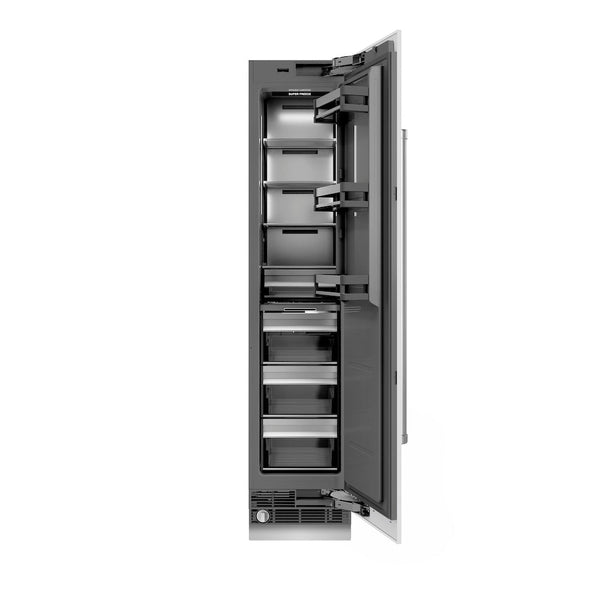
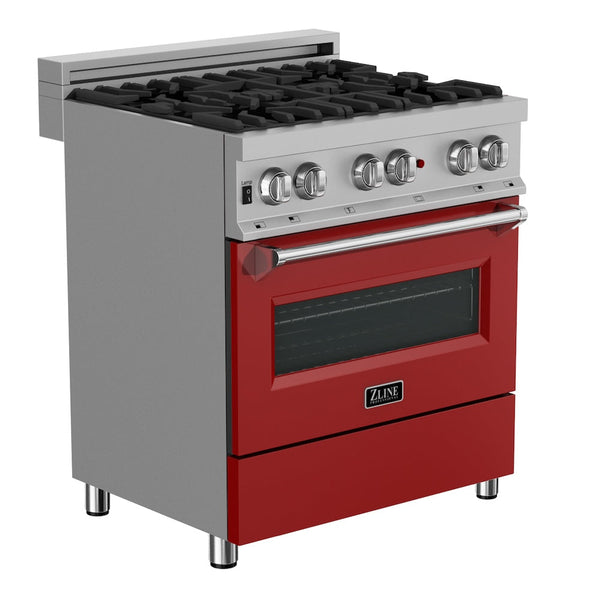
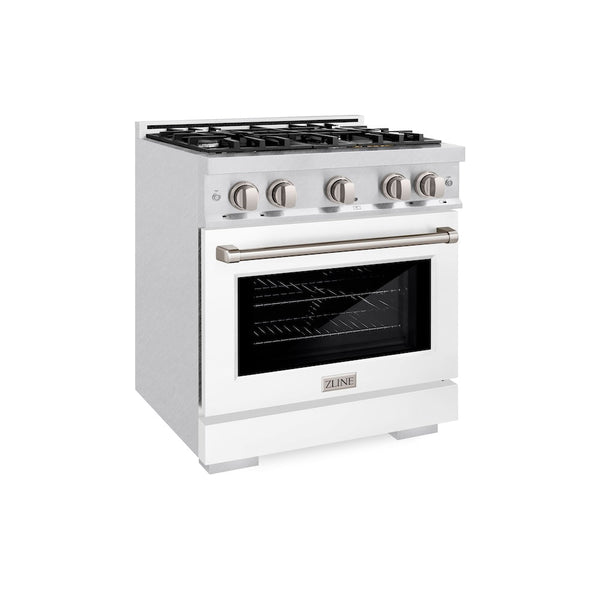
The best way to clean stainless steel appliances is to use gentle products and the right technique, keeping surfaces free of streaks, fingerprints, grease, and water spots.
Stainless steel appliances can give a kitchen a clean, polished appearance, but keeping that appearance consistent can be surprisingly difficult. Fingerprints, water spots, grease, food splashes, and dust can become visible quickly, especially on refrigerator doors, dishwasher panels, ranges, ovens, and microwave surfaces. The biggest challenge is often not removing the dirt. It is cleaning the stainless steel without leaving streaks behind.
A surface may look clean immediately after wiping but develop cloudy marks or visible lines once it dries. This usually happens because of excess cleaner, an unsuitable cleaning product, dirty cloths, hard-water residue, or wiping in a direction that makes remaining marks more noticeable. The good news is that most everyday stainless steel surfaces do not require complicated cleaning methods. A soft microfiber cloth, mild dish soap, clean water, and the correct wiping technique are often enough for routine care.
Understanding the type of stainless steel finish and using a consistent cleaning process can help maintain the appearance of the appliance while reducing streaks, scratches, and residue.
Why Does Stainless Steel Get Streaky?
Streaks usually appear when moisture, cleaning solution, grease, or mineral residue remains on the surface after cleaning. Stainless steel has a grain, or directional pattern, created during manufacturing. This grain can sometimes be easy to see on brushed stainless steel. When a cloth moves against the grain or a cleaner is left behind, the resulting marks can become much more visible.
Overusing cleaning products is another common cause. More cleaner does not necessarily mean better cleaning. A heavy layer of spray can leave behind residue that dries into cloudy lines. Dirty cleaning cloths can create the same problem. A cloth that already contains grease or detergent residue may simply spread it across the appliance rather than remove it.
Water quality can also make a difference. Hard water contains minerals that can leave white spots or dull marks after evaporation. This is particularly noticeable around refrigerator handles, water dispensers, and areas frequently wiped with a damp cloth.
Check the Manufacturer's Care Instructions First
Before cleaning any stainless steel appliance, check its owner's manual or care instructions.Not all stainless steel surfaces have the same finish. Some appliances use brushed stainless steel, while others may have polished, coated, fingerprint-resistant, or decorative surfaces. A product that is safe for one type of finish may not be appropriate for another.
Manufacturer instructions may also specify which cleaning products should be avoided. Certain appliance surfaces can be damaged by abrasive cleaners, chlorine-based products, steel wool, or harsh chemicals.
This is especially important when cleaning newer appliances with specialized finishes. The surface may look like conventional stainless steel but still require different care.
What You Need for Routine Cleaning
For everyday cleaning, you generally do not need a large collection of products. A clean microfiber cloth is one of the most useful tools because it can lift dust, fingerprints, and light grease without leaving as much lint as some paper products.
Mild dish soap can help remove fingerprints and grease. Clean water is important for removing soap residue, while a second dry microfiber cloth helps prevent water spots and streaks. For light dust or fingerprints, a slightly damp microfiber cloth may be enough without any detergent at all.
The key is to keep cleaning materials clean. A cloth that has already been used on greasy surfaces can transfer residue back onto the stainless steel.
Step 1: Remove Loose Dust and Debris
Before applying cleaner, remove loose dust, crumbs, or particles from the surface. This can be done with a clean, dry microfiber cloth. The goal is to prevent small particles from being dragged across the finish while you wipe.
This step is particularly useful on range hoods, refrigerator tops, dishwasher panels, and other surfaces where dust can accumulate. If there is dried food stuck to the appliance, do not scrub aggressively. Letting the residue soften first is safer than trying to scrape it away with force.
Step 2: Use a Mild Cleaning Solution
For routine grease and fingerprints, mix a small amount of mild dish soap with warm water.
You do not need a thick or highly concentrated solution. Too much detergent can make rinsing more difficult and increase the chance of streaks.
Instead of spraying a large amount directly onto the appliance, dampen a microfiber cloth with the cleaning solution and wring it out so that it is moist rather than soaking wet.
This gives you more control over the amount of moisture and reduces the chance of liquid collecting around seams, buttons, handles, or electronic controls.
Step 3: Wipe With the Grain
One of the most important steps in streak-free stainless steel cleaning is following the grain. Look closely at the surface and identify the direction of the brushed pattern. On many appliances, the grain runs horizontally, but it can vary by component or design. Move the cloth in long, consistent strokes in the same direction as the grain.
Avoid vigorous circular scrubbing unless the manufacturer's instructions specifically recommend it. Circular wiping can make streaks and uneven marks more noticeable, especially on brushed finishes.
Working in sections can also help. Clean one area at a time rather than repeatedly going over the entire appliance.
Step 4: Remove Soap Residue
After cleaning with dish soap, use a second microfiber cloth dampened with clean water. Wipe the surface again to remove any remaining detergent. This step is often skipped, but it can make a major difference in the final appearance. Soap residue that remains on the stainless steel can dry into cloudy or uneven areas.
Use a small amount of water rather than soaking the surface. The objective is to remove the cleaner, not saturate the appliance.
Step 5: Dry the Surface Immediately
Leaving stainless steel wet is one of the easiest ways to end up with water spots. Use a clean, dry microfiber cloth to dry the surface after rinsing. Follow the same direction as the stainless steel grain.
Pay special attention to areas where water tends to collect, including around refrigerator dispensers, handles, edges, seams, and control panels. Drying immediately is particularly useful in areas with hard water, where evaporating droplets can leave mineral deposits.
How to Remove Fingerprints Without Creating More Streaks
Fingerprints are among the most common marks on stainless steel refrigerators, ovens, and dishwashers. For light fingerprints, start with a dry or slightly damp microfiber cloth. There is often no reason to use a heavy cleaner for a small amount of skin oil.
For more persistent marks, use a very small amount of mild dish soap diluted in water. Wipe with the grain, rinse with a clean damp cloth, and dry immediately. The mistake to avoid is repeatedly spraying and wiping the same spot with more product. This can build up a film that makes the surface look worse.
How to Remove Grease From Stainless Steel
Kitchen grease requires a slightly more thorough approach. Warm water and mild dish soap can usually break down light grease without requiring a strong chemical cleaner.
Apply the cleaning solution to a microfiber cloth rather than soaking the appliance. Work gently across the greasy area, following the grain. For heavier buildup, you may need to repeat the process rather than increasing the strength of the cleaner. Once the grease is removed, wipe with clean water and dry the surface.
Avoid abrasive pads and aggressive scrubbing. Grease can be stubborn, but scratching the finish can create a permanent appearance problem that is more difficult to fix.
How to Remove Water Spots
Water spots are especially common around refrigerator water dispensers and on appliances cleaned with a wet cloth.
Start by wiping the area with a clean microfiber cloth dampened with water. Dry it thoroughly. If mineral deposits remain, a manufacturer-approved stainless steel cleaner may be appropriate. Some homeowners also use diluted vinegar for mineral residue, but vinegar should only be used when the appliance manufacturer permits it for that particular finish.
Never assume that a cleaning method that works on conventional stainless steel is safe for every coated or specialized surface. After removing mineral residue, wipe the area with clean water and dry it completely.
How to Avoid Streaks When Using Stainless Steel Cleaner
Commercial stainless steel cleaners can be useful, but they need to be applied carefully. Always read the product directions before use. Some cleaners are intended specifically for stainless steel, while others may contain oils designed to leave a polished appearance.
Use a small amount rather than saturating the surface. Apply the product according to its instructions, usually to a cloth rather than directly onto the appliance. Wipe evenly in the direction of the grain and buff the surface with a clean microfiber cloth afterward.
Too much product can leave the surface looking greasy rather than clean. It is also important not to mix different cleaning products. Combining chemicals can create unwanted reactions and may damage the appliance finish.
Why Microfiber Cloths Work Well
Microfiber cloths are useful because their fine fibers can pick up small particles and grease without requiring aggressive pressure. However, even microfiber can cause streaks if it is dirty or overloaded with detergent. Use separate cloths for cleaning and drying when possible. Wash reusable microfiber cloths according to their care instructions and avoid washing them with heavily lint-producing fabrics.
Fabric softener can also affect the performance of some microfiber materials, so follow the cloth manufacturer's washing recommendations. A fresh, clean cloth is often more effective than adding more cleaning solution.
Common Mistakes That Can Damage Stainless Steel
Some cleaning habits can create scratches, discoloration, or persistent residue. Avoid steel wool, abrasive scouring pads, powdered cleaners, and harsh scrubbing unless the appliance manufacturer specifically approves them. Bleach and chlorine-containing products can be particularly unsuitable for stainless steel and may damage or discolor the surface.
Glass cleaners may also contain ingredients that are not intended for every stainless steel finish. Always check the appliance manufacturer's recommendations instead of assuming that a general household cleaner is safe. Do not use dirty cloths that have been used on ovens, stovetops, or greasy surfaces unless they have been thoroughly cleaned. Another common mistake is allowing cleaning products to dry on the surface. Most cleaners should be wiped away according to their directions rather than left to evaporate.
What About Vinegar?
Vinegar is often recommended as a household cleaning solution for stainless steel because its acidity can help dissolve mineral deposits and some residues. However, vinegar is not automatically appropriate for every stainless steel appliance. Some manufacturers advise against acidic cleaners, particularly on certain coated or specialty finishes. Others may permit diluted vinegar for specific cleaning tasks.
The safest approach is to check the care instructions for the appliance first. If vinegar is approved, use an appropriately diluted solution and avoid allowing it to sit on the surface for an extended period. Rinse afterward with clean water and dry the appliance.
Never mix vinegar with bleach or other chemical cleaners.
Cleaning Stainless Steel Refrigerator Doors
Refrigerator doors tend to show fingerprints and water marks more quickly than many other appliance surfaces because they are frequently touched. For everyday maintenance, wipe the doors with a dry microfiber cloth whenever dust or fingerprints become noticeable. When deeper cleaning is needed, use mild soapy water followed by a clean-water wipe and immediate drying.
Pay particular attention to handles. Handles often have more grease buildup because they are touched frequently, and residue can transfer from the handle to the surrounding panel. For refrigerators with external water or ice dispensers, clean around the dispenser carefully and dry the area completely to reduce mineral spotting.
Cleaning Stainless Steel Dishwashers
Dishwashers are frequently exposed to water, detergent residue, and food particles, particularly around the door and handle. Wipe the front panel using the same grain-following method used on other appliances.
Around the edges of the door, use a damp microfiber cloth rather than flooding the area with cleaner. Avoid getting excess liquid into buttons, electronic controls, or openings. The handle may require more frequent cleaning because it is touched repeatedly during loading and unloading. If detergent or food residue accumulates around seams, soften it with a damp cloth rather than scraping the finish with a sharp object.
Cleaning Stainless Steel Ranges and Ovens
Ranges typically require more frequent cleaning because they are exposed to cooking grease, steam, and food splashes. Allow the surface to cool before cleaning and follow the manufacturer's instructions for the specific cooktop and oven finish.
Do not assume the stainless steel exterior can be cleaned in exactly the same way as the cooking surface itself. Different materials may be used in different parts of the appliance. For the exterior stainless steel, mild soapy water and a microfiber cloth are often sufficient for routine cleaning. Avoid applying large quantities of liquid around control panels, knobs, electronic displays, or openings.
How Often Should Stainless Steel Appliances Be Cleaned?
There is no universal schedule because cleaning frequency depends on how the appliance is used. High-touch surfaces such as refrigerator handles may benefit from quick cleaning several times a week.
Visible fingerprints and spills should be addressed as they occur, while a more thorough exterior cleaning can be performed as part of the regular kitchen cleaning routine. Ranges may need more frequent cleaning because cooking grease accumulates more readily. Refrigerators and dishwashers may require less intensive cleaning unless spills or fingerprints are visible.
Frequent light cleaning is generally easier than allowing grease and residue to build up for weeks.
How to Keep Stainless Steel Looking Clean Longer
The easiest way to reduce streaks is to avoid creating unnecessary buildup in the first place. Wipe spills soon after they occur rather than allowing them to dry. Dry water around dispensers and handles instead of letting droplets evaporate. Keep a clean microfiber cloth available for quick fingerprint removal. Use gentle pressure and wipe with the grain instead of repeatedly scrubbing the same area.
It can also help to establish a consistent cleaning method for the entire kitchen. Using too many different products often creates more residue and makes it difficult to know which cleaner is responsible for streaking.
Is Stainless Steel Polish Necessary?
Stainless steel polish is not always necessary for routine maintenance. For many appliances, regular cleaning with mild soap and water followed by thorough drying is enough to keep the surface looking clean.
Some people prefer the appearance produced by a stainless steel polish or conditioning product, particularly on large refrigerator doors or other highly visible surfaces. However, polishing products can leave an oily film if they are overapplied. They may also be unsuitable for certain finishes. The manufacturer's recommendations should always take priority over general cleaning advice.
A Simple Streak-Free Cleaning Routine
For most stainless steel appliances, a straightforward routine works well. Start with a clean microfiber cloth to remove loose dust and debris. Use a small amount of mild dish soap diluted in warm water for fingerprints and grease. Wipe gently in the direction of the grain, then use a separate damp cloth to remove soap residue. Finish by drying the surface with a clean microfiber cloth.
The final drying step is particularly important. Many streaks are not caused by the cleaner itself but by water and residue that are allowed to dry naturally. For difficult stains, repeat the cleaning process rather than immediately moving to a stronger chemical.
Final Thoughts
Cleaning stainless steel appliances without streaks is less about finding a powerful cleaning product and more about using the right technique. A clean microfiber cloth, mild detergent, clean water, and careful drying can handle most everyday fingerprints, grease, dust, and water marks. Following the grain of the stainless steel helps maintain a consistent appearance, while using too much cleaner or scrubbing too aggressively can leave the surface looking worse.
Always check the manufacturer's care instructions before using specialty cleaners, vinegar, polish, or other household products. Stainless steel appliances can have different finishes, and a method that is suitable for one surface may not be appropriate for another. The most effective routine is simple: remove loose debris, clean gently, rinse away residue, and dry immediately. Regular light maintenance can prevent stubborn buildup and make it much easier to keep refrigerators, dishwashers, ranges, ovens, and other stainless steel appliances looking clean without the frustration of streaks.