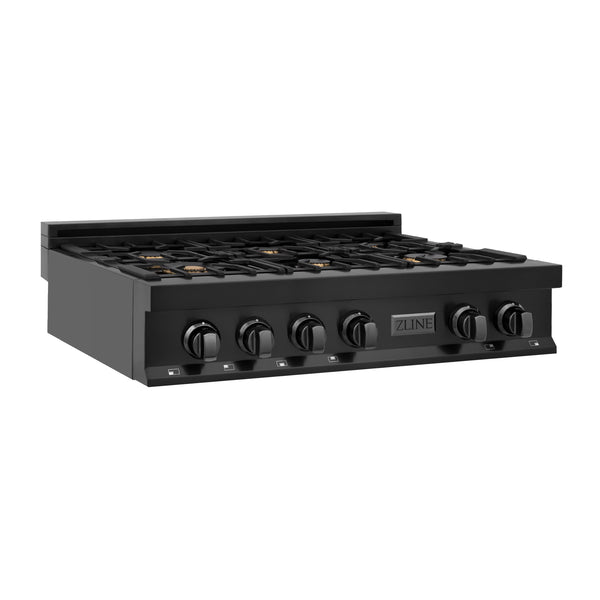
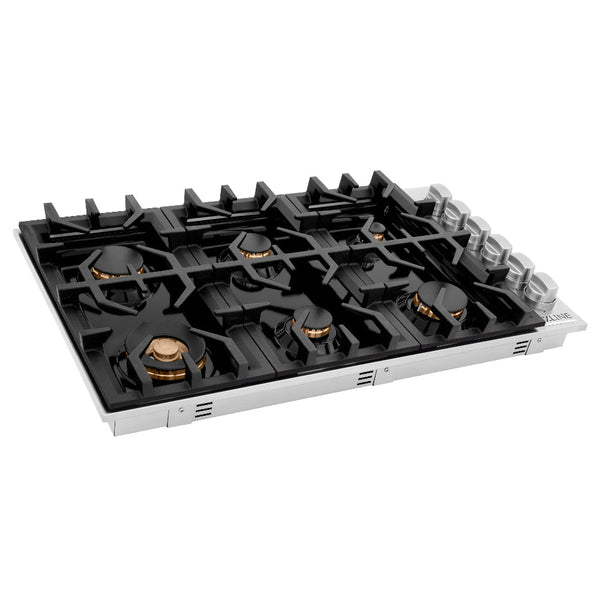
There is a level of precision in cooking that begins long before the flame is lit. A gas cooktop is not just an appliance it is a carefully engineered balance of heat output, control, and layout that quietly defines how efficiently a kitchen performs. From burner power to spacing and design, every detail shapes how naturally cooking comes together in everyday use.
Gas cooktops remain one of the most popular kitchen appliances because they provide fast heat response, visual flame control, and compatibility with different cookware types. Choosing the right gas cooktop involves more than selecting a finish or brand. Size, BTU output, burner layout, ventilation needs, and installation requirements all affect long-term performance. This guide explains everything you need to know about standard gas cooktop sizes, BTU ratings, burner counts, sealed versus open burners, ventilation requirements, and the best configurations for different kitchens, helping homeowners make informed decisions based on cooking habits and kitchen layout rather than appearance alone.
What Is a Gas Cooktop?
A gas cooktop is a built-in cooking surface that installs directly into the countertop. Unlike a range, the oven is separate from the cooking surface. Gas cooktops use either natural gas or liquid propane, and most modern models include electronic ignition, multiple burner sizes, continuous grates, sealed burners, and stainless steel finishes. They are commonly paired with wall ovens, range hoods, and downdraft ventilation systems.
Why Many Homeowners Prefer Gas Cooktops
Gas cooking provides immediate heat control. The flame responds instantly when adjusting the burner level, making it ideal for fast temperature changes, strong high-heat cooking, better simmering control, and compatibility with most cookware types. Professional-style kitchens often use gas cooktops because of their flexibility across different cooking methods.
Standard Gas Cooktop Sizes
Cooktop size affects counter space, burner spacing, ventilation requirements, and cooking capacity. The most common Gas Cooktop widths are 24 inches, 30 inches, 36 inches, and 48 inches, each suited to different kitchen layouts and cooking needs.
24-inch gas cooktops are best suited for apartments, small kitchens, and compact layouts. They typically feature four burners with moderate BTU output. While they save counter space and require lower ventilation, they offer limited cookware space and less flexibility during large meals.
30-inch cooktops are the most common residential size, offering four to five burners with balanced spacing and medium-to-high BTU output. They fit most countertops, work well for standard family kitchens and daily cooking, and pair easily with 30 or 36-inch range hoods for improved smoke capture.
36-inch cooktops provide more burner flexibility and higher heat output, typically featuring five to six burners including a high-output centre burner and larger cookware spacing. They are best for frequent cooking, large cookware, and multiple simultaneous dishes, though they require more counter space and stronger ventilation.
48-inch cooktops are generally considered professional-style appliances, featuring six to eight burners along with griddle or grill options. They offer maximum cooking capacity and commercial-style layouts but require large ventilation systems, higher installation costs, and larger gas supply connections.
Understanding BTU Ratings
BTU stands for British Thermal Unit and measures heat output. Higher BTU burners produce faster boiling, stronger searing, and better wok cooking performance, while lower BTU burners provide gentle simmering, better sauce control, and lower heat cooking. Modern cooktops typically combine several burner types for flexibility.
Simmer burners generally range from 3,000 to 6,000 BTU, standard burners from 7,000 to 12,000 BTU, power burners from 15,000 to 22,000 BTU, and professional burners exceed 22,000 BTU. High BTU burners are particularly useful for stir-frying, boiling large pots, searing meat, and high-heat cooking. However, higher BTU does not always mean better overall cooking performance, as burner design, flame distribution, and simmer control all play important roles.
Many buyers focus only on high BTU numbers, but low simmer performance is equally important for melting chocolate, simmering sauces, cooking rice, and maintaining low temperatures. Good cooktops balance strong power burners with stable simmer burners.
Total BTU combines the output of all burners. For example, a five-burner cooktop with individual burners rated at 18,000, 15,000, 12,000, 9,000, and 5,000 BTU has a total output of 59,000 BTU. Higher total BTU usually requires stronger ventilation, a larger gas supply, and higher CFM range hoods.
How Burner Count Affects Cooking
Burner count affects cooking flexibility, cookware spacing, and the ability to prepare multiple dishes simultaneously. Four-burner cooktops are best for small households and light to moderate cooking, offering lower cost, easier cleaning, and a compact size, though with limited cooking flexibility. Five-burner layouts are very common in modern kitchens, offering better spacing, a dedicated centre burner, and more simultaneous cooking options. The centre burner often functions as a power burner, griddle burner, or oval burner. Six-burner cooktops are best for large families, frequent cooking, and entertaining, providing multiple large cookware positions and flexible heat zones, though they require larger ventilation systems and more countertop space.
Sealed Burners vs Open Burners
Most residential cooktops now use sealed burners, which prevent spills from entering the cooktop interior. They are easier to clean, offer better spill containment, and require lower maintenance. Open burners, more common in commercial-style appliances, provide stronger flame exposure and better airflow around burners along with easy component replacement, but are harder to clean and expose more surfaces to spills.
Continuous Grates vs Individual Grates
Continuous grates allow cookware to slide across burners, making it easier to move heavy pots and giving the cooktop a professional appearance. Most higher-end cooktops include continuous cast iron grates. Individual grates, on the other hand, are easier to remove, lighter to clean, and reduce the overall appliance weight.
Gas Cooktop Ventilation Requirements
Gas cooking produces heat, moisture, smoke, grease particles, and combustion gases, making proper ventilation important for indoor air quality, grease reduction, and odour control. As a general guide, a 24-inch cooktop pairs with a 24 to 30-inch hood, a 30-inch cooktop with a 30 to 36-inch hood, a 36-inch cooktop with a 36 to 42-inch hood, and a 48-inch cooktop with a 48 to 54-inch hood. Larger hoods improve smoke capture efficiency.
CFM, which stands for cubic feet per minute, measures airflow. Cooktops producing up to 40,000 total BTU typically require 400 to 500 CFM, those producing 40,000 to 60,000 BTU need 600 to 700 CFM, 60,000 to 90,000 BTU cooktops need 700 to 1,000 CFM, and professional-style cooktops exceeding 90,000 BTU may require 1,000 CFM or more.
Gas Cooktop Installation Requirements
Before purchasing, it is important to verify cabinet cutout dimensions, gas line access, electrical ignition requirements, and ventilation compatibility. Most cooktops require a dedicated gas shutoff, proper countertop support, and clearance from combustible surfaces. Many models support both natural gas and liquid propane conversion, with propane more commonly used in rural homes, off-grid locations, and homes without gas utility service.
Gas Cooktop Surface Materials
Stainless steel is the most common surface material, offering durability, heat resistance, and a commercial appearance, though fingerprints are more visible and regular cleaning is required. Tempered glass offers a modern appearance and easy wiping but shows scratches more easily and requires careful cookware handling.
Features Worth Considering in 2026
Several features are worth looking for when comparing models this year. Dual-ring burners improve heat distribution, high-heat performance, and compatibility with large pans. Modern electronic ignition systems improve reliability and eliminate standing pilot lights, reducing gas waste. Some cooktops also include automatic gas shutoff if the flame goes out, improving kitchen safety. Convertible wok grates are helpful for round-bottom cookware and high-heat stir frying, while integrated griddle sections found in some larger cooktops are ideal for pancakes, breakfast cooking, and sandwiches.
Cleaning and Maintenance
Wiping surfaces after cooking reduces grease buildup, burn marks, and staining. Cast iron grates may require warm water cleaning, mild degreasers, and occasional seasoning. Keeping burner ports clean maintains even flames, proper ignition, and stable heating, as blocked ports may cause uneven flames.
Common Mistakes When Buying a Gas Cooktop
Buying based only on BTU numbers is a common mistake. Very high BTU output is not useful without proper ventilation, good simmer performance, and adequate cookware spacing. Ignoring ventilation requirements is another frequent oversight, particularly for larger cooktops that may require stronger range hoods, larger ducting, or makeup air systems. Choosing the wrong size can reduce workspace and increase installation costs, while overlooking burner layout can result in poor cookware spacing even with a higher burner count.
Best Gas Cooktop Sizes by Kitchen Type
For small kitchens, a 24 or 30-inch cooktop with four burners and moderate BTU output is recommended. Standard family kitchens are best served by a 30 or 36-inch cooktop with five burners and a mixed BTU configuration. Large open kitchens benefit most from 36 or 48-inch cooktops with six burners and professional ventilation.
Gas Cooktops vs Induction Cooktops
Gas cooktops offer visible flame control, work during power interruptions, and are compatible with most cookware, though they produce more heat in the kitchen, require ventilation, and are slower to clean. Induction cooktops boil water faster, are easier to clean, and are more energy efficient, but require magnetic cookware and have higher electrical demands.
FAQs
What size gas cooktop is most common?
30-inch gas cooktops are the most common residential size because they fit standard kitchen layouts and provide a balanced cooking space suitable for most households.
How many BTUs do I need in a gas cooktop?
Most residential cooktops range between 40,000 and 80,000 total BTU. Heavy cooking setups may exceed 100,000 BTU, though these require significantly stronger ventilation systems.
Is a 5-burner cooktop better than 4 burners?
A 5-burner cooktop provides more flexibility and cookware spacing, especially for larger meals and simultaneous cooking. However, the burner layout matters as much as the count itself.
What ventilation do gas cooktops need?
Gas cooktops usually require a ducted range hood sized according to total BTU output. Higher-BTU cooktops require stronger ventilation systems with higher CFM ratings.
Are sealed burners better?
Sealed burners are easier to clean and more common in residential kitchens because spills stay on the cooktop surface instead of entering the burner box, reducing maintenance requirements.
Do high BTU burners cook better?
High BTU burners heat cookware faster, but balanced simmer performance and burner design are equally important for overall cooking control and daily use.